

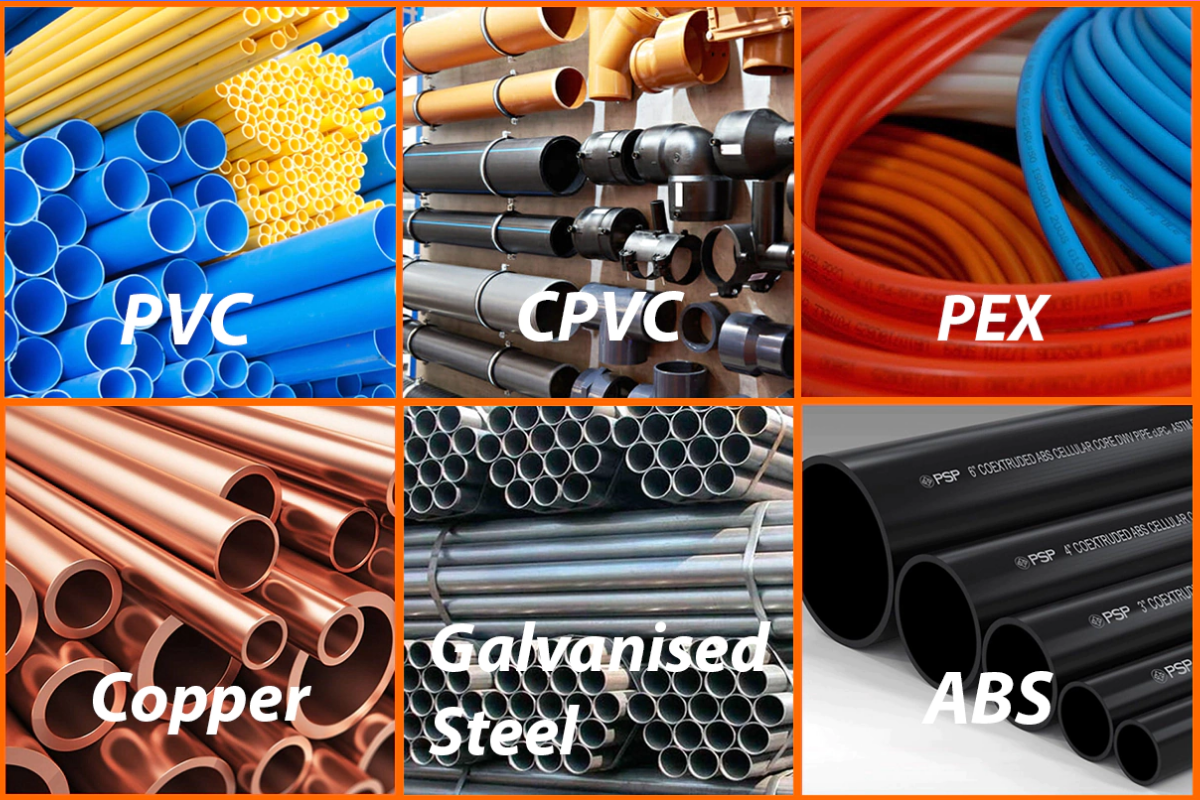
Plumbing is one of the most crucial aspects of any home, office, or industrial building. It ensures a smooth water supply, efficient drainage, and the overall hygiene of the premises. However, the quality and durability of plumbing largely depend on the materials used in pipes, fittings, and fixtures. Using the wrong materials can lead to leakage, corrosion, blockages, and frequent repair costs. On the other hand, selecting the best plumbing materials guarantees long-lasting results, saves money in the long run, and reduces maintenance headaches.
In this detailed guide, we will explore the top plumbing materials used worldwide, their advantages, disadvantages, and why they are considered the best for different purposes.
Why Choosing the Right Plumbing Material Matters
Before we dive into the specific materials, let’s understand why this decision is so important.
-
Durability – Stronger materials last longer and resist damage.
-
Cost Efficiency – Good materials may be slightly expensive upfront but save huge costs in repairs.
-
Water Safety – Certain materials prevent contamination, ensuring safe drinking water.
-
Corrosion Resistance – Long-lasting pipes and fittings resist rust and mineral buildup.
-
Adaptability – The right material adapts to temperature changes, water pressure, and installation needs.
Summary Table: Best Plumbing Materials for Long-Lasting Results
| Material | Purpose/Use | Durability & Performance | Best Practice & Tips | Estimated Price Range (INR) |
|---|---|---|---|---|
| PEX Pipes | Water supply lines, hot & cold water | Flexible, corrosion-resistant, long-lasting | Ideal for both residential & commercial use | ₹100–₹200 per meter |
| CPVC Pipes | Hot and cold water distribution | High temperature resistance, durable | Use for indoor plumbing & consistent water flow | ₹120–₹250 per meter |
| Copper Pipes | Premium water supply lines | Extremely durable, corrosion-resistant | Best for long-term use, requires professional installation | ₹300–₹500 per meter |
| PVC Pipes | Drainage & irrigation | Strong, lightweight, chemical-resistant | Use for waste & drainage systems | ₹50–₹120 per meter |
| Brass Fittings | Pipe connections & valves | Highly durable, corrosion-resistant | Ideal for joints, ensure tight sealing | ₹150–₹500 per piece |
| Stainless Steel Faucets | Kitchen & bathroom taps | Rust-resistant, long lifespan | Choose branded faucets for quality | ₹1,000–₹5,000 per piece |
| Ball Valves | Water flow control | Durable, easy to operate | Opt for brass/stainless steel variants | ₹300–₹1,200 per piece |
| PVC Solvent Cement & Glue | Pipe bonding & sealing | Provides leak-proof joints | Use as per manufacturer instructions | ₹100–₹400 per bottle |
| Flexible Hoses (Stainless/PEX) | Connecting taps & appliances | High durability, leak-resistant | Replace old hoses every 3–5 years | ₹200–₹800 per piece |
| Water Filters & Purifiers | Ensure clean water supply | Extends pipe life by reducing sediment & corrosion | Install before kitchen/bathroom taps | ₹2,000–₹15,000 per unit |
1. Copper Pipes – The Classic Choice
Copper has been used for decades and is still considered one of the best plumbing materials.
Advantages of Copper Pipes
-
Extremely durable and long-lasting (up to 50 years or more).
-
Corrosion-resistant.
-
Withstands high water pressure.
-
Safe for drinking water – does not release harmful chemicals.
-
Recyclable and eco-friendly.
Disadvantages
-
More expensive compared to plastic alternatives.
-
Requires skilled labor for installation.
-
Can be noisy when water flows at high speed.
Best Use: Hot and cold water supply lines, especially in residential and commercial buildings.
2. PEX Pipes – Flexible & Cost-Effective
PEX (Cross-linked Polyethylene) is gaining popularity as a modern plumbing material.
Advantages of PEX Pipes
-
Flexible – can bend around corners, reducing fittings.
-
Easy to install, even for DIY projects.
-
Resistant to scale buildup and chlorine.
-
Affordable compared to copper.
-
Excellent for both hot and cold water.
Disadvantages
-
Cannot be used outdoors (UV light damages it).
-
Rodents may chew through pipes in some cases.
Best Use: Indoor water supply lines in kitchens, bathrooms, and laundry areas.
3. PVC Pipes – Lightweight & Easy to Install
PVC (Polyvinyl Chloride) is one of the most common materials used in plumbing systems.
Advantages of PVC Pipes
-
Lightweight and easy to install.
-
Affordable – widely available at low cost.
-
Rust and corrosion resistant.
-
Smooth interior surface prevents clogs.
-
Excellent for drainage and waste lines.
Disadvantages
-
Not suitable for hot water (warps under high heat).
-
Less durable than copper or PEX in pressure situations.
Best Use: Drainage systems, vent pipes, irrigation lines.
4. CPVC Pipes – Improved Version of PVC
CPVC (Chlorinated Polyvinyl Chloride) is similar to PVC but designed for hot water applications.
Advantages of CPVC Pipes
-
Withstands higher temperatures (up to 200°F).
-
Corrosion-resistant.
-
Smooth inner surface reduces water friction.
-
Affordable and widely available.
Disadvantages
-
Can crack under freezing conditions.
-
Requires solvent cement for fittings.
Best Use: Hot and cold water supply in residential buildings.
5. Galvanized Steel Pipes – Old but Strong
Galvanized steel pipes were once the standard before copper and plastics became common.
Advantages of Galvanized Steel
-
Strong and durable.
-
Can last up to 40 years if maintained properly.
-
Suitable for outdoor and industrial use.
Disadvantages
-
Prone to rust and corrosion over time.
-
Heavy and difficult to install.
-
Water flow reduces as mineral deposits build up.
Best Use: Outdoor plumbing, industrial water lines, and older properties.
6. Stainless Steel Pipes – Premium but Reliable
Stainless steel is a strong and corrosion-resistant plumbing material often used in specific applications.
Advantages of Stainless Steel Pipes
-
Resistant to corrosion and rust.
-
Long lifespan.
-
Withstands extreme weather and water conditions.
-
Hygienic for drinking water.
Disadvantages
-
Expensive compared to other materials.
-
Requires special couplings for installation.
Best Use: Coastal areas, industrial buildings, and luxury constructions.
7. Cast Iron Pipes – Heavy-Duty Drainage
Cast iron is mostly used for drainage and sewer systems.
Advantages of Cast Iron Pipes
-
Extremely durable (can last up to 100 years).
-
Excellent noise reduction – water flow is very quiet.
-
Can handle high-pressure waste systems.
Disadvantages
-
Very heavy and difficult to install.
-
Can rust over time if not maintained.
Best Use: Underground drainage and sewer systems.
8. Brass Pipes – Long-Lasting & Leak-Proof
Brass is an alloy of copper and zinc, making it an excellent plumbing material.
Advantages of Brass Pipes
-
Resistant to rust and corrosion.
-
Long-lasting – can last 40–70 years.
-
Does not clog easily.
-
Easy to thread and install.
Disadvantages
-
More costly than PVC and PEX.
-
Not as widely available as other options.
Best Use: Water supply lines, hot water distribution, and large buildings.
Factors to Consider Before Choosing Plumbing Materials
When selecting the best plumbing material, keep these points in mind:
-
Budget – Higher quality materials like copper and stainless steel cost more.
-
Water Quality – Hard water areas may require corrosion-resistant pipes.
-
Temperature Needs – For hot water, CPVC, PEX, or copper is recommended.
-
Installation Complexity – PEX and PVC are DIY-friendly, while copper and steel require skilled labor.
-
Longevity vs. Cost – Sometimes spending more initially saves money in the long run.
Expert Tips for Long-Lasting Plumbing
-
Always hire a licensed plumber for installation.
-
Regularly inspect pipes for leaks or rust.
-
Use proper insulation to protect against freezing.
-
Flush your water system periodically to avoid blockages.
-
Choose branded, certified plumbing materials for reliability.
Conclusion
The choice of plumbing material directly impacts the durability, safety, and efficiency of your water system. While copper and stainless steel remain the gold standard for longevity, modern materials like PEX and CPVC offer cost-effective and easy installation options. For drainage and heavy-duty use, cast iron and PVC are excellent choices.
Ultimately, the best plumbing material depends on your budget, water needs, and long-term expectations. Investing in high-quality materials ensures peace of mind, fewer repairs, and a well-functioning plumbing system for decades to come.
