

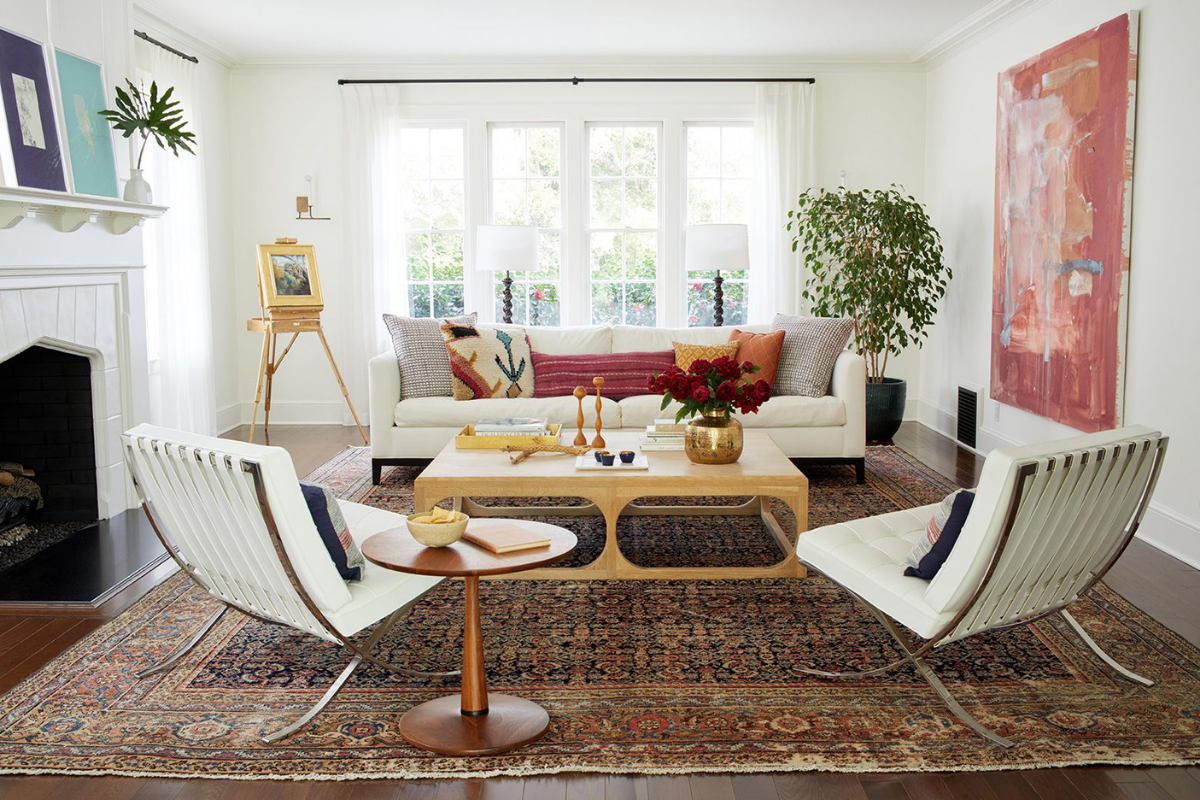
The living room is the heart of any home. It’s where families gather, friends hang out, and guests are entertained. But when your living room is small, arranging furniture can be quite challenging. A limited space doesn’t mean you have to sacrifice style or comfort. With smart planning, the right furniture, and clever arrangement techniques, you can make even the tiniest living room look spacious, functional, and beautiful.
In this blog, we’ll explore practical living room furniture arrangement tips for small spaces. From choosing the right furniture size to maximizing storage and creating visual balance, you’ll discover ways to transform your compact living room into a cozy, stylish, and welcoming space.
1. Measure Your Living Room First
Before you buy or move any furniture, the first step is to measure your living room. Note the length, width, and height of the room, along with the position of doors, windows, and electrical outlets.
Why this matters:
-
Helps avoid oversized furniture purchases.
-
Prevents blocking of windows and doors.
-
Ensures better traffic flow inside the room.
👉 Use free online tools or graph paper to sketch your room layout before making decisions.
Summary Table: Living Room Furniture Arrangement Tips for Small Spaces
| Factor | Role in Small Spaces | Common Mistakes | Best Practice / Tips | Estimated Cost (INR) |
|---|---|---|---|---|
| Furniture Size & Scale | Right-sized furniture prevents clutter | Oversized sofas/chairs dominate the room | Use compact, multi-functional pieces | ₹5,000 – ₹25,000 per item |
| Layout & Flow | Ensures smooth movement & visual balance | Blocking pathways or overcrowding | Create clear walking paths, use corner layouts | Free (planning) |
| Multi-functional Furniture | Maximizes utility in limited space | Single-purpose furniture takes more room | Use sofa beds, nesting tables, storage ottomans | ₹8,000 – ₹30,000 |
| Vertical Storage | Frees up floor space | Ignoring walls leads to clutter | Wall-mounted shelves, tall cabinets | ₹2,000 – ₹15,000 |
| Color & Light | Makes small space appear bigger | Dark colors & poor lighting shrink the room | Use light shades, mirrors, and bright lighting | ₹1,000 – ₹5,000 (lighting/decor) |
| Decluttering & Minimalism | Keeps space airy & organized | Too many decorative items | Limit accessories, use hidden storage | Free – ₹3,000 (storage boxes) |
| Rug & Furniture Anchoring | Defines zones and improves aesthetics | Rugs too small or furniture floating randomly | Choose appropriately sized rugs for seating zones | ₹2,500 – ₹10,000 |
| Lighting Placement | Creates perception of space | Poor overhead lighting only | Combine ceiling lights, floor lamps, wall sconces | ₹1,500 – ₹7,000 |
| Flexible Seating Options | Adapts to guests & changing layouts | Fixed seating limits usage | Poufs, foldable chairs, window seats | ₹1,000 – ₹10,000 |
| Mirrors & Reflective Surfaces | Visually expand the room | Not using mirrors can make it feel cramped | Place mirrors opposite windows or seating areas | ₹1,500 – ₹8,000 |
2. Choose the Right Size Furniture
One of the biggest mistakes people make in small living rooms is buying oversized furniture. Large sofas or bulky recliners may feel comfortable, but they can overwhelm a small space.
Tips for choosing furniture:
-
Go for a loveseat or a two-seater sofa instead of a large sectional.
-
Consider armless chairs or compact accent chairs.
-
Choose slim-profile furniture with exposed legs, as they create an airy feeling.
-
Opt for multifunctional furniture like sofa beds, nesting tables, or ottomans with storage.
3. Create a Focal Point
Every room needs a focal point – a spot that catches the eye and organizes the furniture arrangement. In small living rooms, a focal point could be:
-
A TV unit or entertainment center.
-
A fireplace (if available).
-
A large piece of art or gallery wall.
-
A window with a nice view.
Arrange your furniture around the focal point to give the room structure and flow.
4. Keep Traffic Flow Clear
In small spaces, movement is as important as seating. Avoid blocking pathways with furniture.
Best practices:
-
Leave at least 18–24 inches between the coffee table and sofa.
-
Keep doorways and windows unobstructed.
-
Push furniture against walls only if necessary, otherwise float them a few inches away for better depth.
5. Use Multipurpose Furniture
For small living rooms, every piece of furniture should earn its place. Multipurpose furniture saves space and adds functionality.
Examples:
-
Storage ottoman – works as a footrest, coffee table, and storage box.
-
Sofa bed – perfect for hosting overnight guests.
-
Nesting tables – use them when needed and stack them away later.
-
Foldable chairs – easy to bring out when you have extra guests.
6. Go Vertical with Storage
When floor space is limited, think vertically. Use your walls effectively to free up floor area.
Ideas:
-
Install floating shelves for books, plants, or décor.
-
Use tall cabinets instead of wide ones.
-
Mount your TV on the wall instead of using a bulky TV stand.
-
Hang wall-mounted lamps instead of floor lamps.
7. Place Mirrors to Create Illusion of Space
Mirrors are one of the oldest tricks in interior design to make small rooms look bigger. A large mirror reflects light and creates depth.
Tips:
-
Place a mirror opposite a window to reflect natural light.
-
Use a floor-to-ceiling mirror for maximum effect.
-
Consider mirror-finished furniture to bounce light around.
8. Choose Light and Neutral Colors
Color plays a huge role in how spacious a room feels. Dark colors tend to make spaces look smaller, while lighter shades create openness.
Best options:
-
Whites, creams, light grays, pastels, and beige.
-
Add pops of color with cushions, throws, or rugs.
-
Use monochromatic tones for a seamless look.
9. Arrange Furniture Around the Rug
A rug acts as an anchor for furniture in a living room. Choosing the right rug size can visually expand the area.
Rug tips:
-
Go for a large rug that extends under all major furniture.
-
Avoid small rugs that break up the space.
-
Choose light-colored or patterned rugs to add character without overwhelming.
10. Use Open-Style Furniture
Furniture with open frames or visible legs creates a sense of space. Closed, boxy designs can make the room feel cramped.
Examples:
-
Glass coffee tables instead of solid wood ones.
-
Slim-legged chairs and sofas.
-
Open shelving units instead of bulky cupboards.
11. Avoid Overcrowding
Less is more in small living rooms. Too many furniture pieces can make the room feel cluttered.
Guidelines:
-
Stick to essential furniture only.
-
Add a few decor items like plants, lamps, or wall art.
-
Keep surfaces clean and minimal.
12. Use Corner Spaces Wisely
Corners are often underutilized in small living rooms. Turn them into functional areas:
-
Add a corner sofa or sectional.
-
Place a small bookshelf or plant stand.
-
Install a corner-mounted floating desk for work-from-home.
13. Floating vs. Wall-Mounted Furniture
Floating furniture (like wall-mounted TV units, shelves, or desks) is a game changer for small spaces. It saves floor space and makes cleaning easier.
Examples:
-
Floating TV console.
-
Wall-mounted study table.
-
Floating nightstands.
14. Lighting is the Key
Good lighting can transform a small living room. A dark room feels smaller, while a well-lit room feels bigger and more inviting.
Tips:
-
Use layered lighting: ceiling lights, wall sconces, and table lamps.
-
Avoid bulky floor lamps.
-
Use warm white LED lights to create coziness.
-
Place lighting near mirrors to enhance brightness.
15. Add Greenery for Freshness
Plants make any living space look fresh and vibrant. For small rooms, choose plants that don’t take up much space.
Suggestions:
-
Hanging plants (macramé hangers).
-
Wall-mounted planters.
-
Small indoor plants like snake plant, pothos, or succulents.
16. Experiment with Layouts
Don’t be afraid to try different arrangements until you find the one that works best. Sometimes even a small shift can open up the room.
Popular layouts:
-
L-shape arrangement with sofa + chairs.
-
Symmetrical arrangement with sofas facing each other.
-
Diagonal arrangement to make the room appear larger.
Conclusion
A small living room doesn’t mean you have to compromise on comfort or style. With the right furniture arrangement, smart storage solutions, and clever design tricks, you can make your compact space look spacious, functional, and beautiful.
Remember:
-
Measure your room before buying furniture.
-
Stick to multipurpose and slim-profile designs.
-
Use light colors, mirrors, and good lighting to enhance the sense of space.
-
Keep things minimal and organized.
By following these living room furniture arrangement tips, you’ll be able to create a space that’s cozy, stylish, and perfect for both relaxation and entertaining.
